 Login
Login
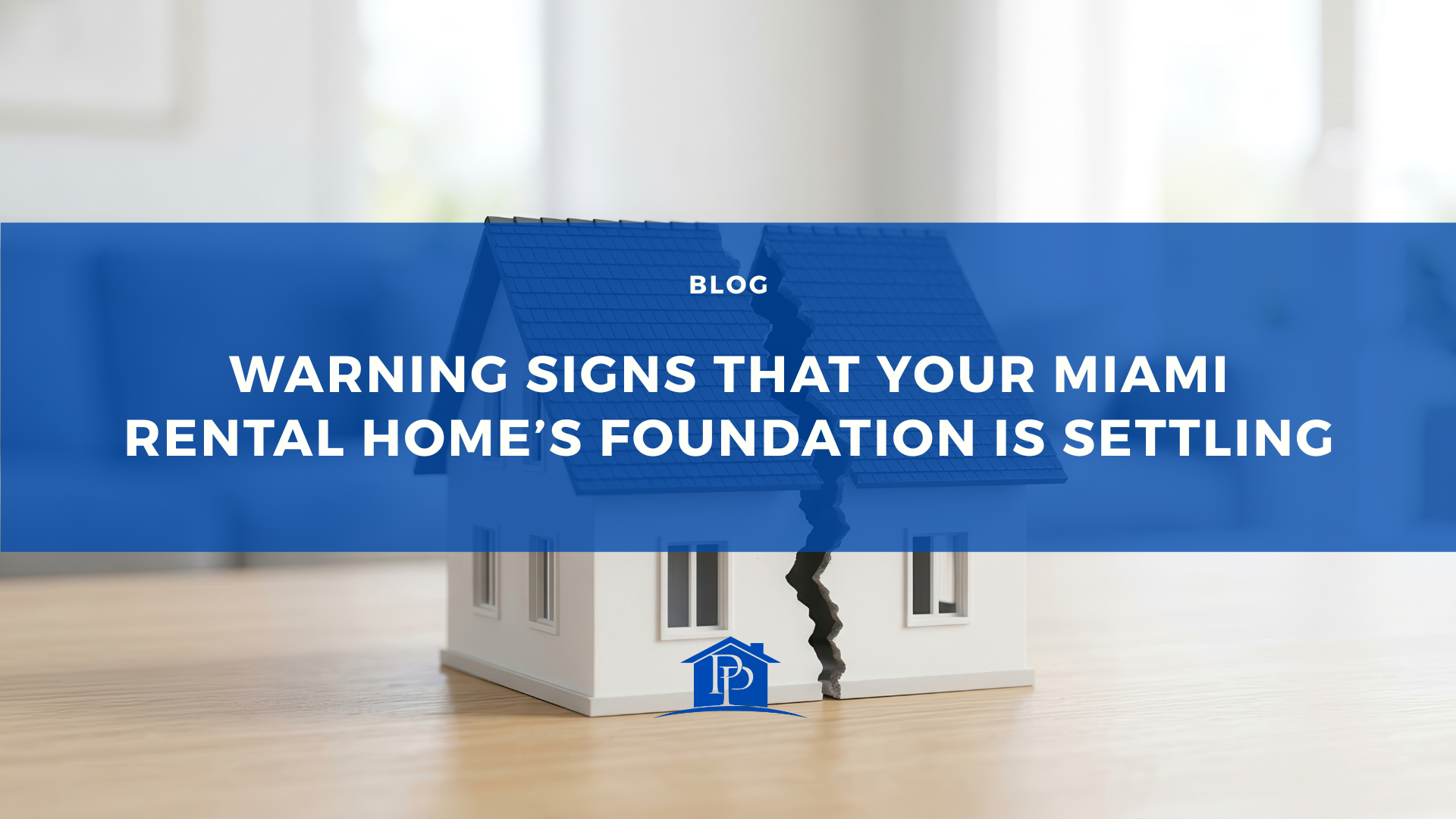
Have you ever noticed that some houses have cracks on their walls or have doors that won’t close properly? These are usually signs that the home is aging and requires sprucing up to get everything in good shape.
These are effects of a settling foundation, and while it’s normal to see a few signs as the structure adjusts to the weight, excessive or uneven settling can be a sign of foundation problems that can cause bigger headaches.
Here are the most common warning signs to look out for to determine whether it’s time for you to schedule an inspection for your rental property’s foundation.
Key Highlights:
- Foundation settling is normal to a certain extent, but widening cracks, sticking doors, and uneven floors can indicate more serious structural issues that require professional attention.
- Watch for common warning signs such as cracks in walls or ceilings, sloping floors, foundation cracks, plumbing leaks, and doors or windows that no longer open or close properly.
- Early detection can prevent costly repairs. Addressing foundation problems before they worsen helps protect your rental property's structural integrity and tenant safety.
- Moisture changes, tree roots, and environmental conditions are some of the leading causes of foundation settlement, making regular inspections and proper drainage essential.
- Routine maintenance and timely inspections can help Miami landlords identify foundation issues early, preserve property value, and avoid expensive structural damage.
1. Cracks in the Walls or Ceilings
The first visual sign of a settling foundation is hairline cracks in your walls and ceilings that appear to be widening. This can mean that your land is settling unevenly. Pay attention to diagonal cracks extending from doors or windows.
Cracks wider than ⅛ of an inch usually indicate that the issue is getting worse and may continue to grow over time. When this happens, you should at least hire a professional to inspect the property to know which steps to take next.
2. Doors and Windows That Stick
Both your doors and windows are neatly fitted into their structural frames and panes, which means even the smallest shift can cause them to crack or stick. When doors no longer fit into the frames, it will be harder to close or open them.
The case is different with windows. Since your window glass is fitted exactly to the measurement of the frame, any change in shape can cause cracks or even shattering. It’s easy to dismiss these signs as an impact of other factors like weather or human-caused damage.
3. Uneven or Sloping Floors
A settling rental property can have slanted floors, which can make it feel uneven when you’re walking or bounce in certain areas. Try to look for visible dips or high spots, and when you’re walking on certain surfaces, listen for creaks or other unusual sounds.
One simple method would be to roll a bottle on the floor, but that won’t be a guarantee if the sign of settling is isolated in certain areas. Fixing it can depend on the severity of the issues. Some may be resolved with leveling using shims, but extreme cases will require professional foundation underpinning.
4. Cracks in the Foundation
Start by inspecting both the interior and exterior foundation of your rental property for horizontal cracks, stair-step cracks, and areas where concrete appears to separate. Large cracks need to be evaluated by professionals to ensure that they pose no threat to your tenants.
The worst-case scenario for cracked foundations includes structural failure, where walls and roofs can collapse on tenants or anyone within the premises. This can be triggered by natural disasters such as earthquakes, and even the smallest tremors can significantly worsen the issue.
5. Plumbing Issues
When the walls that plumbing fixtures are attached to start moving, you can expect the pipes to become detached or even crack. Water leaks can be the source of many problems for rental properties, from water damage to mold growth.
Frequent pipe leaks can even lead to unexpected problems like increasing water bills. Plumbing services may no longer be a sufficient solution since a consistently settling foundation will only cause plumbing problems to reemerge.
When is Settling Normal?
As mentioned before, a little settling can be normal since the plot your home is built on will adjust to the weight of the building. Thin cracks normally appear in homes eventually, even in their early years. As long as your doors and windows still function properly and your floors remain even, you don't have to worry much about your foundation.
You can watch out for the key causes of foundation settlement to prevent it from happening or worsening, such as:
Moisture Changes
Some soils, like clay, can be expansive. They expand when they absorb moisture and shrink back up once they dry. This is why it’s important to mind your drainage and plumbing system to avoid water from leaking into the ground. This can cause constant ground movement, which eventually causes more visible damage.
Tree Roots
Large trees or vegetation can absorb the moisture from the soil, which can cause the ground to shrink and pull away from the foundation. While there are cases of tree roots pushing the soil up as it grows into the ground, this seldom happens, and property owners usually have to worry about moisture-related factors.
Environmental Changes
In some cases, the environment itself can be the leading cause of settlement. Weather can wash away the earth supporting your home. For rental properties near bodies of water, rising water levels can also impact the condition of your foundation, but the most common water-related risks are heavy rains and flooding.
Foundation Settlement FAQs
What causes a home's foundation to settle?
- Foundation settling is often caused by soil movement due to moisture changes, poor drainage, tree roots, erosion, or natural soil compaction beneath the rental property.
Is foundation settling normal?
- Yes. Minor settling is a normal part of a home's aging process. However, excessive or uneven settling that causes structural damage should be inspected by a professional.
What are the first signs of foundation settlement?
- Common early signs include hairline cracks in walls or ceilings, sticking doors and windows, uneven floors, and small cracks in the foundation.
How can Miami landlords help prevent foundation problems?
- Maintaining proper drainage, repairing plumbing leaks promptly, managing landscaping, and scheduling regular property inspections can help reduce the risk of foundation settlement.
How often should I inspect my rental property's foundation?
- A visual inspection at least once a year, along with additional checks after severe storms or flooding, can help identify foundation issues before they become major problems.
The Importance of Vigilance to Prevent Foundation Settling
There are proactive ways to keep your rental property’s foundation intact, and you don’t even need to be a structural expert to maintain it. However, securing your investment can sometimes require more from you than basic knowledge.
With Pristine Property Management, you will have access to expertise and resources, ensuring that your rental property remains safe for you and your tenants. With regular inspections and quality services, you can rest assured that issues are prevented or reduced.
Contact us, and we can explain how our services can help you.
More Resources:
A Property Manager's Guide to Multi-Family Property Maintenance